Gardens by train · Kanazawa, Okayama, Mito
Japan's Three Great Gardens by Train: Hours, Fees and Route
Kenroku-en, Kōraku-en and Kairaku-en by train: 2026 hours and fees, free early entry at two of them, and a three-day route linking all three.
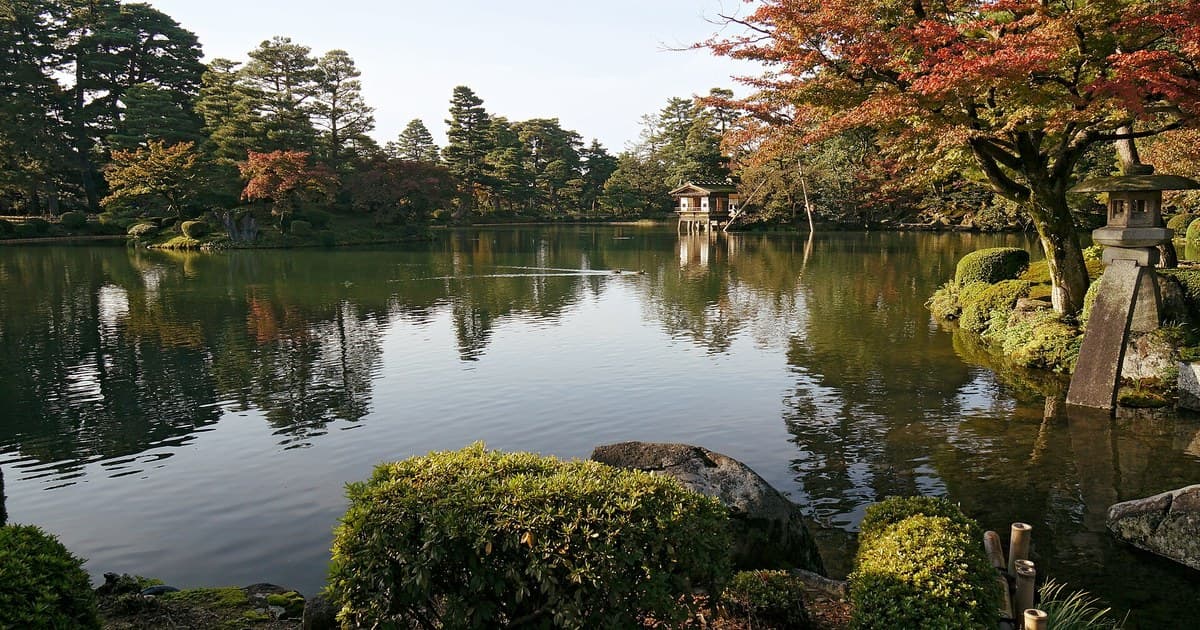
You can see all three of Japan's Three Great Gardens without a car, but not in one day. Kenroku-en is in Kanazawa on the Sea of Japan coast, Kōraku-en is in Okayama in the west, and Kairaku-en is in Mito, northeast of Tokyo. Each sits a short bus or tram ride from its city's main station, and the Shinkansen joins the cities. Allow three days to see all three without rushing.
This guide gives each garden's hours and fees from the gardens' own websites, how to reach it from the station, and a route that links all three by train. Every time and price below comes from the gardens, their prefectures and cities, JR, JNTO or the local tourism offices, and was checked on 4 November 2026.
Key Takeaways
- Kenroku-en (Kanazawa), Kōraku-en (Okayama) and Kairaku-en (Mito) are each a short bus, tram or taxi ride from their city's main station.
- Kenroku-en and Kairaku-en let you in free early in the morning; Kōraku-en has no free hour.
- The fastest legs are Tokyo to Mito in about 70 minutes, Tokyo to Kanazawa in 2 h 27 min, and Kanazawa to Osaka in 2 h 09 min with a change at Tsuruga.
- The Japan Rail Pass covers these trains except the Nozomi; between Shin-Osaka and Okayama, take a Hikari or Kodama.
- Come from mid-February to mid-March for Kairaku-en's plum blossom, and from mid-December to see Kenroku-en's yukitsuri rope supports in place.
What are the Three Great Gardens of Japan?
The Three Great Gardens (Nihon Sanmeien) are Kenroku-en in Kanazawa, Kōraku-en in Okayama and Kairaku-en in Mito. All three are landscape gardens laid out by feudal lords of the Edo period. Kōraku-en's own history page notes that the three were once called Nihon Sankōen, "Japan's three parks", before Sanmeien became the usual name (Okayama Kōraku-en, history). The official sources do not say who first grouped them, so this guide does not either.
The gardens differ in age and season:
| Garden | City | Laid out | Best known for | Adult entry |
|---|---|---|---|---|
| Kenroku-en | Kanazawa, Ishikawa | from 1676 | Yukitsuri rope supports on the pines in winter | ¥320 |
| Kōraku-en | Okayama | 1687 to 1700 | Wide lawns with Okayama Castle behind | ¥500 |
| Kairaku-en | Mito, Ibaraki | 1842 | About 3,000 plum trees of some 100 varieties | ¥320 |
Sources: Ishikawa Prefecture, Okayama Kōraku-en, Ibaraki Prefecture.
You can see the three on one map, each with its nearest stations and stops, on the Three Great Gardens list.
Kenroku-en, Kanazawa: open from dawn, free before paid opening
Kenroku-en is free to walk in early in the morning, from as early as 4:00 in summer. Ishikawa Prefecture opens two gates, Renchi-mon and Zuishinzaka, free from 4:00 between April and August, from 5:00 in March, September and October, and from 6:00 between November and February. Free visitors must leave 15 minutes before paid opening (Kenroku-en information, Ishikawa Prefecture).
- Hours: 7:00 to 18:00 from 1 March to 15 October; 8:00 to 17:00 from 16 October to the end of February. No closed days are listed.
- Fees: ¥320 for adults, ¥100 for ages 6 to 17, cash only. Visitors over 65 enter free with a passport.
- From Kanazawa Station: the Kanazawa Loop Bus leaves from the East Gate; get off at Kenroku-en Shita. The right loop runs every 15 minutes and the left loop every 20, between 8:30 and 18:00. A ride costs ¥220 and a day pass ¥800 (Kenroku-en access; Visit Kanazawa).
- 2026 season: the yukitsuri work began on 1 November with the Karasaki pine, and is due to finish in mid-December (Ishikawa Prefecture release, 23 October 2026).
The loop bus does not start until 8:30, so for the free early hours take a taxi: about 10 minutes from Kanazawa Station by Ishikawa Prefecture's figure, about 15 by Visit Kanazawa's (Kenroku-en access; Visit Kanazawa).
Kanazawa works well as part of a central Japan trip. This five-day plan through Takayama, Shirakawa-go and Kanazawa shows how a day there fits with the buses.
Kōraku-en, Okayama: a tram ride from the station
Kōraku-en is about 15 minutes from Okayama Station by tram and on foot, and you can walk the whole way in about 25 minutes. Take the Okaden tram toward Higashiyama to Shiroshita, then walk across Tsurumi Bridge. Bus 18 from platform 1 reaches Kōraku-en-mae in about 12 minutes (Kōraku-en access).
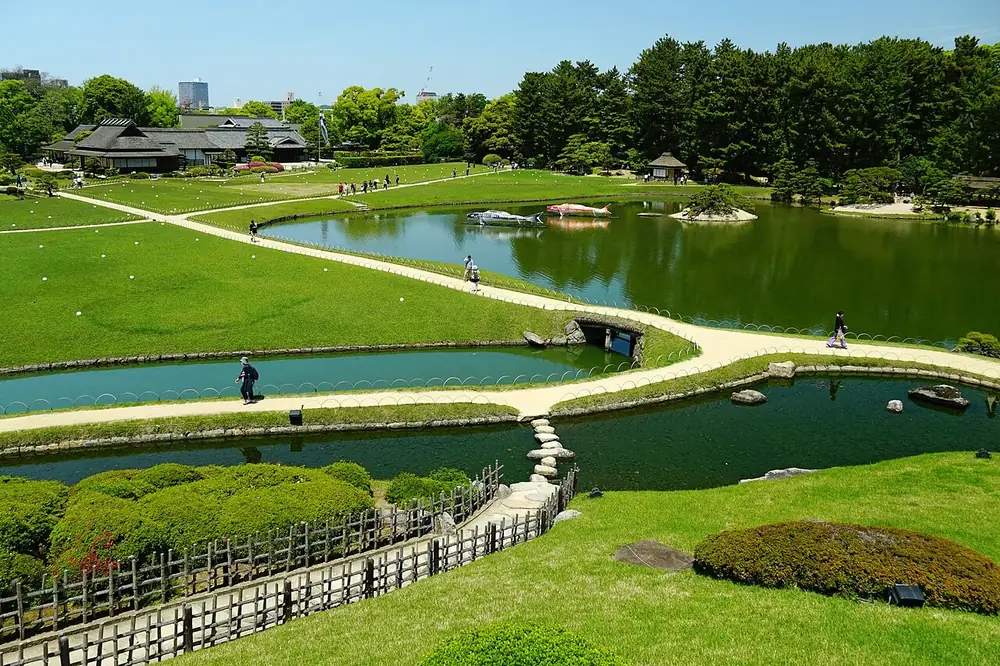
- Hours: 7:30 to 18:00 from 20 March to 30 September; 8:00 to 17:00 from 1 October to 19 March. Last entry is 15 minutes before closing. No closed days are listed (Kōraku-en information).
- Fees: ¥500 for ages 15 to 64, ¥200 over 65, free under 15. A combined ticket with Okayama Castle, across the river, costs ¥800 (Kōraku-en information).
- 2026 season: the garden opens at night for "Autumn Fantasy Garden" from 20 to 29 November 2026 (Okayama Kōraku-en).
Kōraku-en has no free early hour, so there is no reason to arrive before it opens. Okayama Castle across the river fills the rest of a morning.
Kairaku-en, Mito: free until 9:00, best in plum season
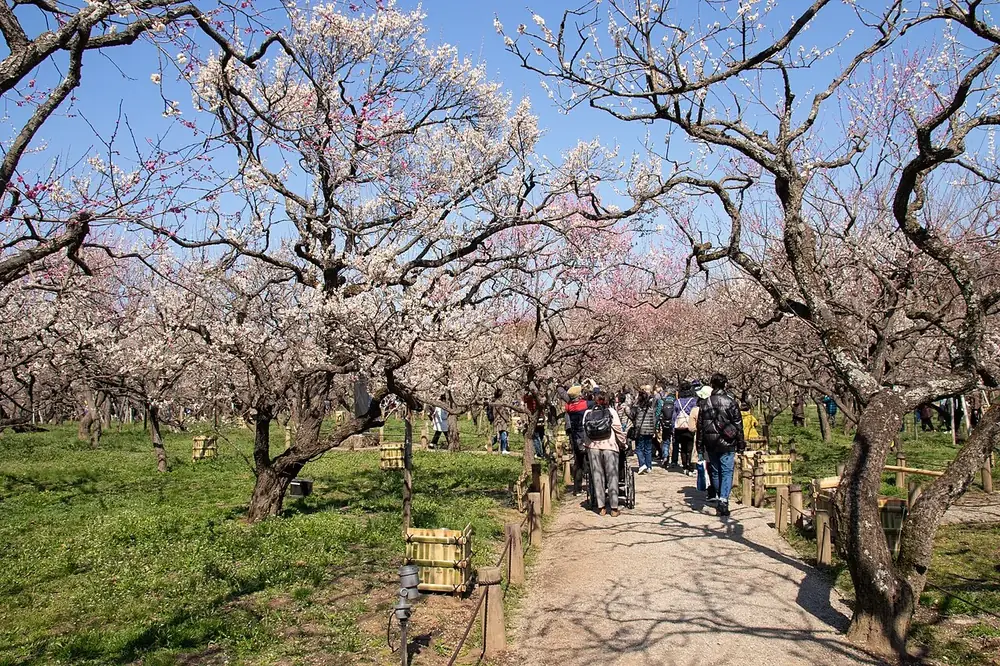
Kairaku-en is free to everyone until 9:00, every day except during the Plum Blossom Festival. It opens 6:00 to 19:00 from mid-February to 30 September, and 7:00 to 18:00 from 1 October to mid-February. Adult entry is ¥320, and the Kōbuntei pavilion costs ¥230 more (Kairaku-en official site, Ibaraki Prefecture).
- From Mito Station: the Kanto Railway bus from the North Exit to Kairakuen Entrance takes 9 minutes and costs ¥240, then it is a 5-minute walk (MLIT Kanto, route example from Tokyo). JNTO allows about 20 minutes by bus in all (JNTO).
- Plum season: the Plum Blossom Festival runs from mid-February into the third week of March; in 2026 it ran from 11 February to 22 March (Ibaraki Prefecture). The 2027 dates were not yet published when this was written.
- Kairakuen Station: JR opens a temporary station by the garden only during the festival, and only for trains heading away from Tokyo. There is no platform for trains back to Tokyo, so return from Mito Station (JR East, 2026).
Mito is the closest of the three to Tokyo. JNTO gives about 70 minutes from Tokyo to Mito by limited express (JNTO, Kairaku-en), which makes it a day trip.
How to see all three in one trip by train
The simplest route is a day trip to Mito from Tokyo, then one sweep west: Tokyo to Kanazawa, and Kanazawa to Okayama by way of Osaka. It never doubles back, and it ends in western Japan, close to Osaka, Kyoto and Hiroshima.
| Leg | Train | Fastest time | Source |
|---|---|---|---|
| Tokyo to Mito | Limited express Hitachi or Tokiwa | About 70 min | JNTO |
| Tokyo to Kanazawa | Hokuriku Shinkansen | 2 h 27 min | Visit Kanazawa |
| Kanazawa to Osaka | Hokuriku Shinkansen to Tsuruga, then the Thunderbird (via Shin-Osaka) | 2 h 09 min | Visit Kanazawa |
| Shin-Osaka to Okayama | Sanyō Shinkansen | About 45 min (Nozomi) | Okayama Prefecture Tourism Federation |
Since 16 March 2024, every rail journey between Kanazawa and Osaka changes trains at Tsuruga (Visit Kanazawa). The Okayama Prefecture Tourism Federation gives about 45 minutes from Osaka for the Nozomi; the Hikari and Kodama that the rail pass covers stop more and take longer.
A three-day route
- Day 1, Tokyo to Mito and back. To walk into Kairaku-en free before 9:00 (outside the Plum Blossom Festival), leave Tokyo by about 7:00: about 70 minutes on the train and up to 20 more by bus. Kōbuntei and the plum grove take a morning, and you are back in Tokyo by afternoon.
- Day 2, Tokyo to Kanazawa. The Hokuriku Shinkansen takes about two and a half hours. Spend the afternoon in Kenroku-en, or keep it for the next morning's free hour and see the Higashi Chaya district instead.
- Day 3, Kanazawa to Okayama. See Kenroku-en early, then take the Shinkansen to Tsuruga, the Thunderbird to Shin-Osaka and the Sanyō Shinkansen on to Okayama. Kōraku-en and Okayama Castle fill the rest of the afternoon; the garden closes at 17:00 from October to mid-March.
Day 3 is the long one: three trains and two changes. In winter, when Kōraku-en closes at 17:00, there is little slack. Leave Kanazawa by mid-morning, or stay a night in Osaka or Kyoto and reach Okayama the next morning. This Kyoto and Osaka plan shows the days in between.
Does the Japan Rail Pass cover the route?
Yes, apart from the Nozomi. The pass covers JR Shinkansen and limited express trains, except the Nozomi and Mizuho, which it does not cover even in non-reserved seats (Japan Rail Pass, scope of validity). Between Osaka and Okayama, take a Hikari or Kodama, or buy the separate Nozomi and Mizuho ticket that the pass offers (Japan Rail Pass, special ticket).
A 7-day standard pass costs ¥53,000 bought through an overseas agency. On the official online sales site it is still ¥50,000 for a limited time, and JR has not said when that ends (JR Group release, 9 April 2026; Japan Rail Pass prices). Whether it pays depends on the rest of your trip, so add up the single fares of every ride and compare.
When to go
Each garden has its own best season, and no one month suits all three:
- February and March: Kairaku-en's plum blossom and festival, with the temporary station open.
- From November: Kenroku-en's pines stand in their yukitsuri ropes, put up from 1 November in 2026 and finished by mid-December (Ishikawa Prefecture).
- Late November: Kōraku-en's night opening (20 to 29 November in 2026).
Late November catches two gardens at once: the ropes are going up on the pines in Kanazawa while Kōraku-en opens at night.
Frequently Asked Questions
Can you see all three gardens in one day?
No. The gardens are hundreds of kilometres apart: the fastest trains from Tokyo to Mito, Tokyo to Kanazawa and Kanazawa to Osaka alone add up to almost six hours, before Okayama and the changes. Plan at least three days.
Which of the gardens are free?
Kenroku-en is free in the early morning: two gates open between 4:00 and 6:00, depending on the month, and free visitors leave 15 minutes before paid opening. Kairaku-en is free until 9:00 every day outside the Plum Blossom Festival. Kōraku-en has no free hours, but entry is free for children under 15.
How do I get to Kenroku-en from Kanazawa Station?
Take the Kanazawa Loop Bus from the station's East Gate to Kenroku-en Shita, for ¥220 a ride. The loop bus runs from 8:30, so for the free early hours take a taxi, about 10 to 15 minutes.
Does the Japan Rail Pass cover the Hokuriku Shinkansen?
Yes. The pass covers JR Shinkansen apart from the Nozomi and Mizuho, so the Hokuriku Shinkansen between Tokyo, Kanazawa and Tsuruga is included. Gran Class seats cost extra (Japan Rail Pass, scope of validity).
About this guide
This guide was researched by the Michiplan team from the gardens' own websites, the prefectures and cities that run them, JR and JNTO, and every fact was checked against those pages on 4 November 2026. Hours, fees and festival dates change from year to year, so check the garden's site before you go. We list where Michiplan's data comes from on our sources page, and you can tell us about a mistake at hello@michiplan.com. See also our privacy policy and terms.
Sources
Gardens, all retrieved 2026-11-04:
- Ishikawa Prefecture, Kenroku-en information and access; cultural properties; yukitsuri release, 23 October 2026
- Kanazawa City Tourism Association, Getting around Kanazawa and Shinkansen to Tsuruga
- Okayama Kōraku-en, information, access, history (English), history (Japanese)
- Ibaraki Prefecture, Kairaku-en official site and plum feature, 2026
- MLIT Kanto, route example to Kairaku-en
- JNTO, Kairaku-en
- Okayama Kōraku-en, home page (Autumn Fantasy Garden dates)
- Okayama Prefecture Tourism Federation, Osaka to Okayama
Trains and the rail pass, all retrieved 2026-11-04:
- JR East, Kairakuen temporary station, 2026
- JR Group, price release, 9 April 2026
- Japan Rail Pass, scope of validity, special ticket, prices
Photos, via Wikimedia Commons:


Plan the three gardens as one trip
See all three on one map with their nearest stations, add them to a trip, and Michiplan puts each on a day it is open, with the trains between them.
Open the Three Great Gardens